LED Grow Light, Decoded
Photons, spectrum, distance, and timing — a practical primer on the single most important variable in your tent.
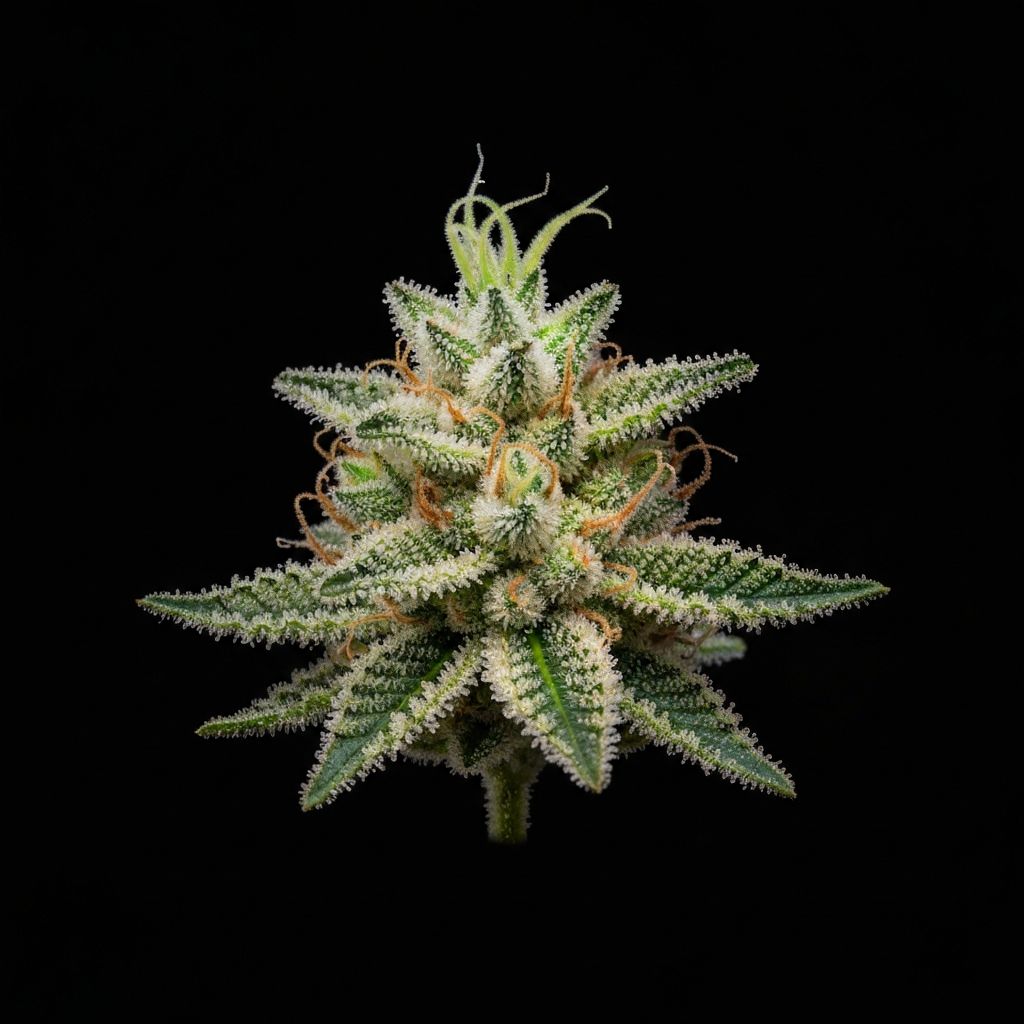
If genetics are 30% of your harvest, light is at least 40%. Get this one right and you can run almost any strain to a respectable finish. Get it wrong and the best genetics in the world produce airy, pale flower.
The only three numbers that matter
- PPFD (photosynthetic photon flux density) — how many usable photons hit the canopy per second per square meter
- DLI (daily light integral) — total usable photons delivered over 24 hours, the number that actually drives yield
- Real wattage from the wall — ignore advertised 'equivalent wattage' marketing
Target PPFD by stage
- Seedling: 200-400 µmol/m²/s
- Veg: 400-600 µmol/m²/s
- Early flower: 600-800 µmol/m²/s
- Peak flower: 800-1000 µmol/m²/s, higher only with CO2 supplementation
Spectrum demystified
Modern full-spectrum LED panels using high-quality white diodes (3000K or 3500K) plus red supplementation produce excellent results from seed to harvest. You do not need to swap lights between veg and flower. You do not need separate 'bloom' or 'veg' switches. They are mostly marketing.
Hang height by tent size
- 2x2 tent: 100-150W panel, start at 24in, lower to 18in in flower
- 3x3 tent: 240-320W panel, start at 28in, lower to 20-22in in flower
- 4x4 tent: 400-650W panel, start at 30in, lower to 22-24in in flower
Why most beginners under-light
The biggest first-grow mistake is buying a small panel and running it on a dimmer at 50%. LEDs are extremely efficient — running an appropriate panel at full power produces denser, frostier flower than a small panel at max. Buy once, buy right.
Why some growers over-light
Pushing past 1000 µmol/m²/s without CO2 supplementation does nothing useful — the plant can't process the extra photons and you burn upper leaves. If you don't run CO2, stop at ~900 µmol/m²/s peak.
Related collections.
- Closet OptimizedSmall Tent Picks
Compact genetics selected for closets, tents, and limited-space setups.
Shop Small-Space Picks - Yield FocusedHeavy Yield
Bigger-output picks for growers focused on production, structure, and strong potential.
Shop Heavy Yield - Beginner PickBeginner Autoflowering Seeds
Simple, resilient picks for newer growers and small-space setups.
Start Here